Working from home has become increasingly common, making the need for a productive home office environment essential. Whether you’re a full-time remote worker, a freelancer, or someone who occasionally works from home, having a dedicated and well-organized space can make a significant difference in your focus and output. Here are some practical tips to help you create a home office environment that supports productivity and keeps you motivated.
Choose the Right Location
The first step in setting up your home office is choosing the right spot. Aim for a quiet area with minimal distractions where you can work comfortably.
– Separate from common areas: Avoid setting up in places where family members frequently gather, such as the living room or kitchen.
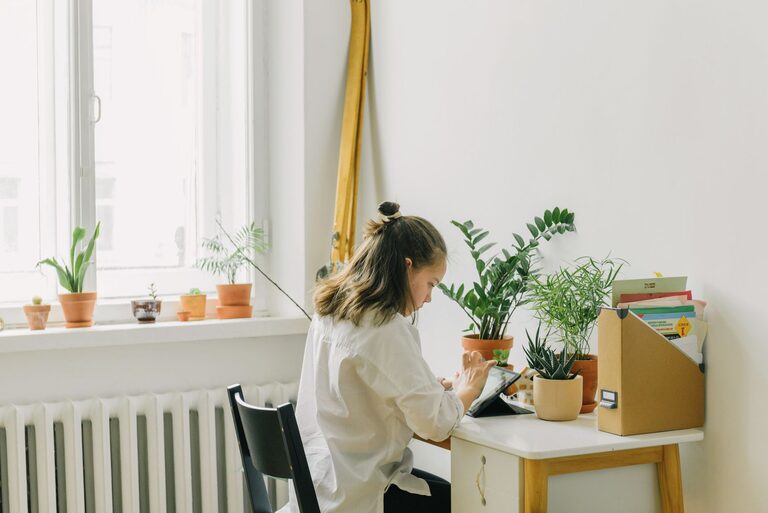
– Natural light: If possible, pick a spot near a window. Natural lighting improves mood and reduces eye strain.
– Consider privacy: If you share your home, consider a room with a door you can close to ensure uninterrupted focus.
Invest in Comfortable and Functional Furniture
Your furniture plays a key role in your comfort and productivity.
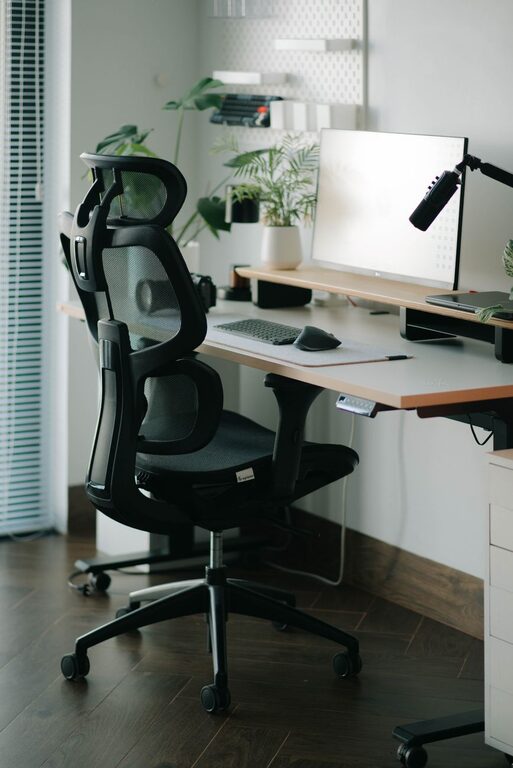
– Ergonomic chair: Choose a chair with good lumbar support to maintain proper posture.
– Desk: Use a desk with enough surface area for your computer, documents, and occasional office supplies.
– Adjustable setup: Consider a sit-stand desk or monitor stands so you can vary your position throughout the day.
Organize Your Workspace Effectively
An organized space reduces stress and saves time searching for items.
Declutter Regularly
Keep only essential items on your desk and store other materials nearby but out of sight.
Use Storage Solutions
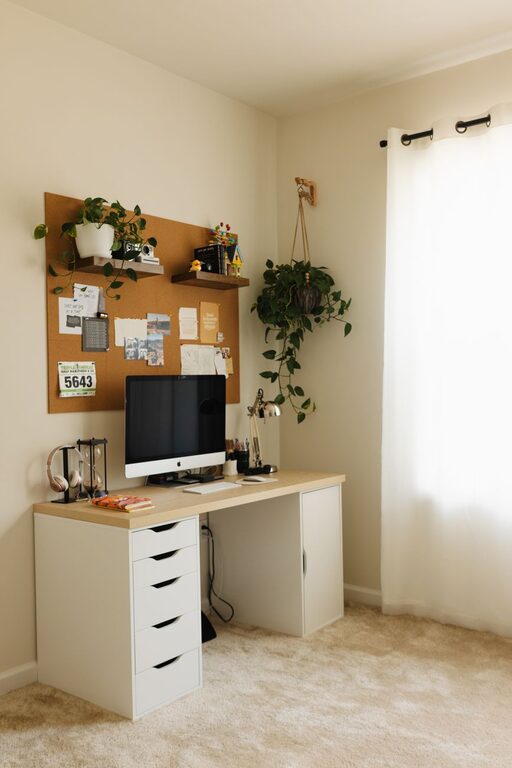
– Drawers and shelves: These keep things tidy and accessible.
– Labeling: Label boxes, files, and folders to find things quickly.
– Cable management: Use clips or tubes to keep cords neat and prevent tangles.
Minimize Distractions
Your home office should be a place where distractions are limited.
– Turn off non-essential notifications: Silence apps and devices that aren’t related to work.
– Use noise-cancelling headphones: They help block out background noise if you cannot isolate your workspace.
– Set boundaries: Communicate your working hours and space requirements with household members.
Optimize Lighting
Good lighting supports productivity and reduces fatigue.
– Use a combination of natural and artificial light: Position your desk so natural light comes from the side to prevent screen glare.
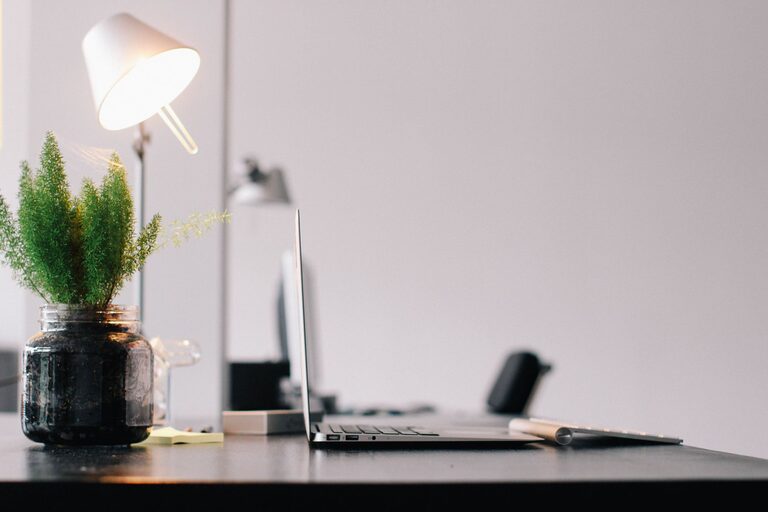
– Task lighting: Use a desk lamp with adjustable brightness to focus light where you need it most.
– Avoid harsh overhead lights: Soft, diffused lighting can be more comfortable for long work sessions.
Personalize Your Space Thoughtfully
Adding personal touches can make your workspace more inviting and motivating.
– Incorporate plants: Indoor plants improve air quality and brighten the environment.
– Art and photos: Display a few meaningful decorations or images to inspire you.
– Color scheme: Choose calming colors like soft blues or greens to create a pleasant atmosphere.
Maintain a Good Routine
A productive home office isn’t just about the physical space, but also how you use it.
– Set work hours: Define and stick to a schedule as if you were in a traditional office.
– Regular breaks: Step away from your desk every hour to stretch or take a short walk.
– Start with a ritual: Begin your day with a routine that signals it’s time to focus, like making a cup of tea or reviewing your task list.
Use Technology Wisely
Leverage tools to improve your productivity without becoming overwhelmed.
– Software organization: Use calendars, task managers, and project tools to keep track of deadlines and priorities.
– Reliable internet: Ensure your connection is stable and fast enough for video calls and uploads.
– Backup system: Regularly save and back up your files to prevent data loss.
Final Thoughts
Creating a productive home office environment is a balance of thoughtful space design and personal habits. By choosing the right location, focusing on comfort, reducing distractions, and maintaining a consistent routine, you can set yourself up for success every workday. Remember, your ideal workspace might change over time, so feel free to adjust as your needs evolve.
With these tips, your home office can become a place where work feels comfortable, focused, and productive.
About the Author