
Working from home has become increasingly common, and having a well-designed home office can make a significant difference in your productivity and overall well-being. Whether you’re a remote employee, freelancer, or running a home business, your workspace should support focus, comfort, and efficiency. In this post, we’ll explore practical tips for creating a productive home office environment that helps you get the most out of your workday.
Choosing the Right Location
Finding the right spot in your home to set up your office is the foundation of productivity. Ideally, you want a space that:
– Is quiet and free from frequent distractions
– Has enough room for your desk and equipment
– Allows natural light to brighten the area
– Provides privacy or separation from household activities
If possible, avoid setting up in busy communal areas like the kitchen or living room. A spare bedroom, nook, or even a corner in your home can work well if arranged thoughtfully.
Designing Your Workspace for Comfort and Efficiency
Once you have chosen your location, focus on setting up your workspace to minimize strain and maximize efficiency.
Invest in Ergonomic Furniture
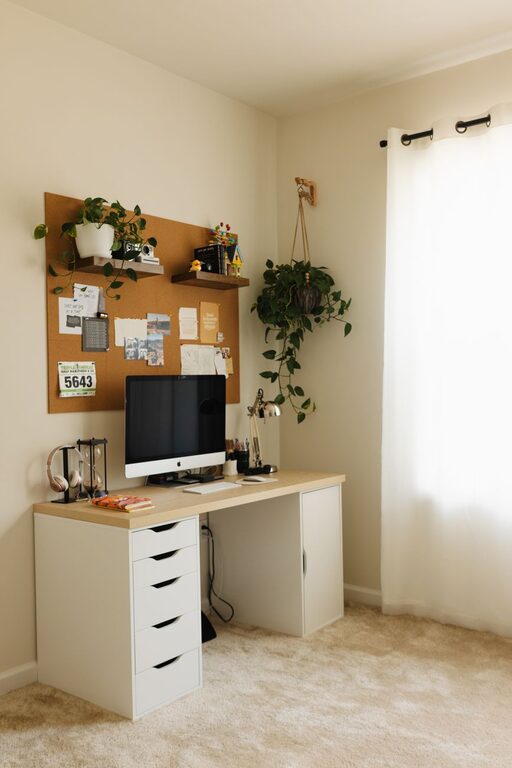
– Desk: Choose a desk that fits your space and offers sufficient surface area for your computer, paperwork, and other essentials.
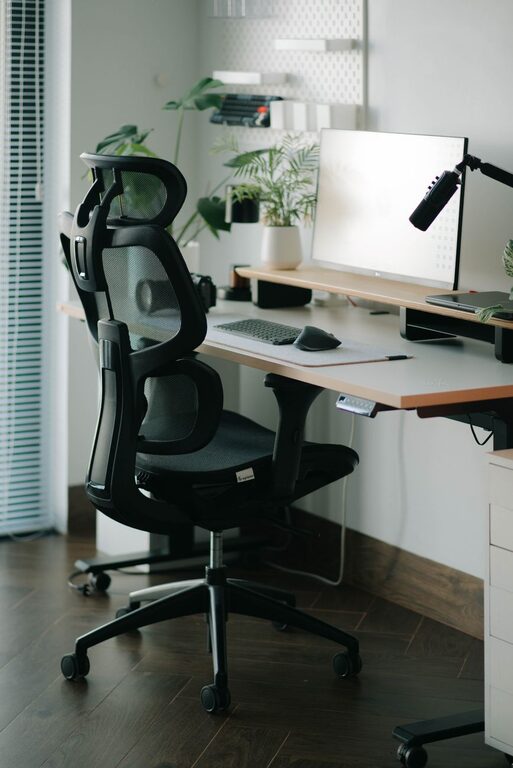
– Chair: An ergonomic chair supports your posture and reduces fatigue. Look for adjustable height, lumbar support, and comfortable cushioning.
Keep Your Essentials Within Reach
Organize your most-used items—pens, notebooks, chargers—so you don’t waste time searching for them. A tidy desk improves concentration and reduces stress.
Manage Cables Neatly
Cables can get messy quickly. Use cable organizers, clips, or tubing to keep cords tidy and out of the way.
Lighting Matters
Good lighting is crucial for reducing eye strain and maintaining alertness.
– Natural Light: Place your desk near a window if possible. Natural light can enhance mood and energy.
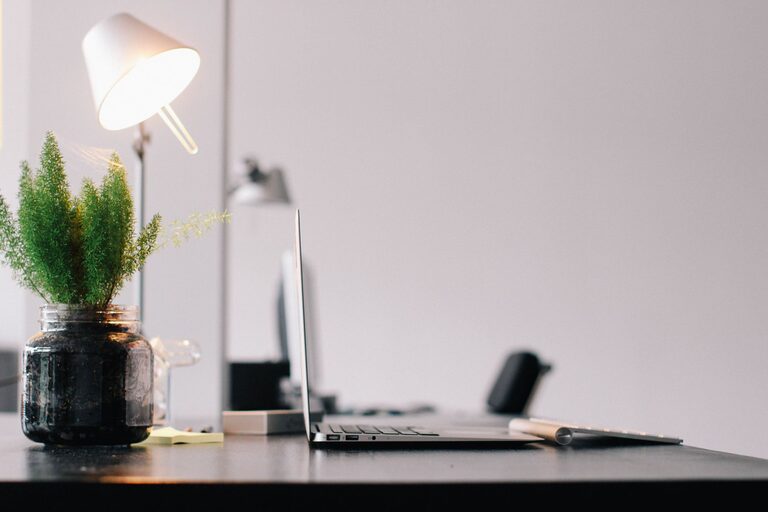
– Task Lighting: Use a desk lamp with adjustable brightness for focused work, especially during darker hours.
– Avoid Glare: Position screens to prevent glare from windows or overhead lights. If necessary, use blinds or curtains to control brightness.
Optimize Your Technology Setup
A smooth and reliable technology setup helps avoid interruptions that disrupt your focus.
– High-Speed Internet: Ensure your internet connection is fast and stable.
– Quality Hardware: Use a reliable computer, monitor, keyboard, and mouse suited to your work demands.
– Backup Solutions: Regularly back up important files to the cloud or an external drive to prevent data loss.
– Headphones or Speakers: Noise-canceling headphones can block distractions, while speakers allow clearer calls or music if helpful.
Establish a Daily Routine
Creating a work routine — as you would in an office — signals the brain that it’s time to focus.
– Set Regular Work Hours: Define when your workday starts and ends to maintain balance.
– Breaks Are Important: Schedule short breaks to rest your eyes and stretch your body.
– Dress for the Occasion: Dressing as if you are going to the office can boost your mindset and productivity.
Minimize Distractions
Distractions are a major productivity killer at home. Here are ways to stay focused:
– Turn Off Notifications: Silence non-essential app or device notifications during work.
– Use Dedicated Devices: Avoid mixing personal and work devices if possible.
– Communicate Boundaries: Let family or housemates know your work schedule to reduce interruptions.
– Limit Multitasking: Focus on one task at a time to improve efficiency and quality.
Personalize Your Space
While it’s important to keep your workspace organized, adding personal touches can make it inviting.
– Plants: Indoor plants bring freshness and can reduce stress.
– Decor: Photos, art, or inspiring quotes create a positive atmosphere.
– Color Choices: Soothing colors like blues or greens promote calm, whereas brighter tones like yellow can inspire creativity.
Organize and Declutter Regularly
A cluttered environment disrupts focus and leads to stress. Make it a habit to:
– Clear your desk at the end of each day
– Organize paperwork using file organizers or digital scanning
– Keep only essentials on your desk
Use Productivity Tools
Many apps and tools can help you stay organized and manage tasks effectively:
– Task Managers: Tools like Trello, Asana, or Todoist help plan and track projects.
– Focus Apps: Background noise generators or focus timers (like Pomodoro) aid concentration.
– Calendars: Digital calendars help schedule meetings and deadlines.
Prioritize Wellness
Your physical and mental health strongly impact productivity.
– Stay hydrated and eat nutritious snacks
– Incorporate movement, such as stretching or short walks
– Practice mindfulness or breathing exercises to reduce stress
—
Creating a productive home office environment is about balancing comfort, organization, and minimizing distractions. By following these tips, you can build a workspace that supports your best work every day. Remember, small changes can make a big difference, so tailor your office to fit your needs and preferences!
About the Author