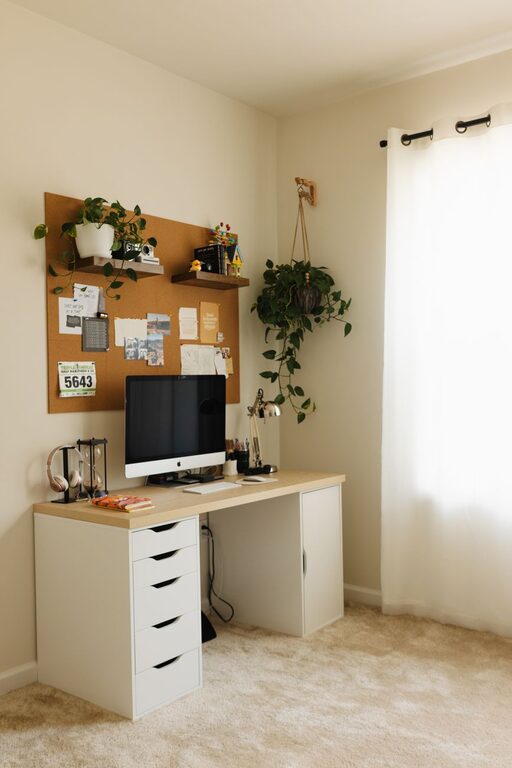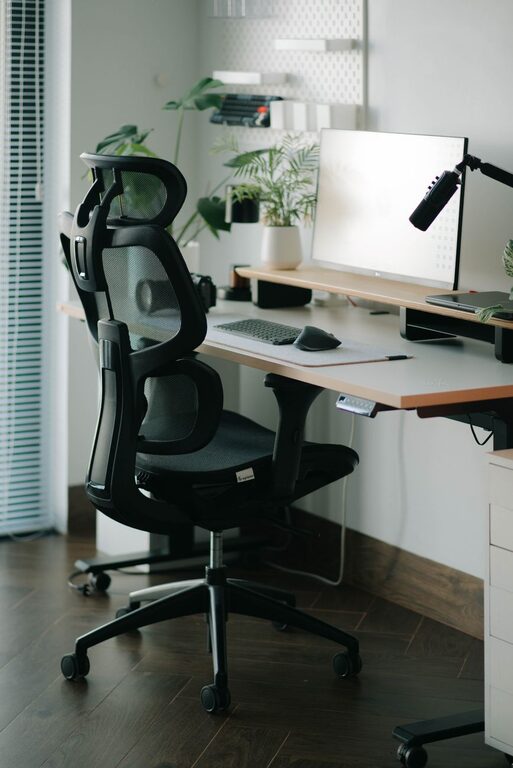
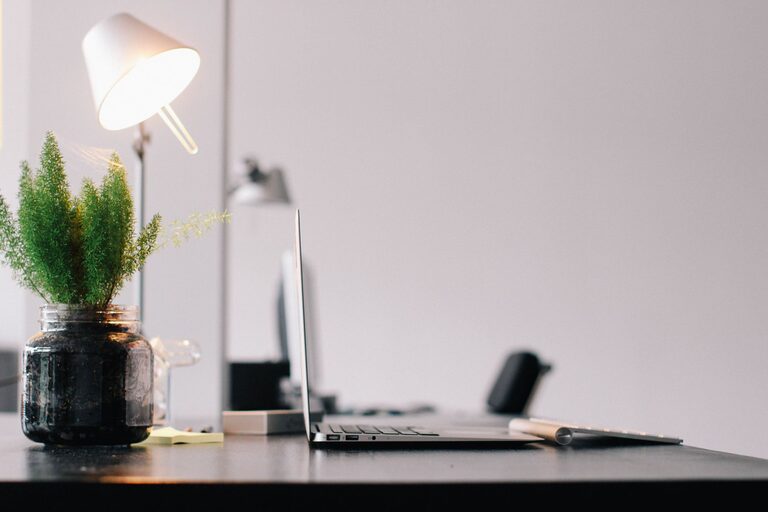
Creating a productive home office environment is essential for anyone working remotely or managing tasks from home. A well-designed workspace can help improve focus, reduce stress, and boost overall work efficiency. Whether you’re just setting up a home office or looking to refresh your current space, these tips will guide you in creating an environment that supports your productivity and comfort.
Choose the Right Space
The foundation of a productive home office starts with the location.
– Find a quiet spot: Select a space away from household distractions, such as noisy appliances or heavy foot traffic.
– Natural light matters: If possible, set up near a window to benefit from natural light, which can improve mood and energy.
– Dedicated area: Avoid working from shared spaces like the couch or bed. Having a designated office area helps your brain associate it with work.
Invest in Comfortable Furniture
Comfort and ergonomics play a significant role in productivity.
– Ergonomic chair: Choose a chair that supports your lower back and allows your feet to rest flat on the floor.
– Proper desk height: Your desk should allow your arms to rest at a 90-degree angle when typing to reduce strain.
– Adjustable furniture: Consider standing desks or adjustable chairs to vary your posture throughout the day.
Organize and Declutter
A clutter-free environment can enhance concentration and reduce stress.
– Use storage solutions: Shelves, drawers, and organizers help keep supplies tidy.
– Keep only essentials on the desk: Limit items to what you use daily to prevent distractions.
– Digital organization: Maintain an organized desktop and file system on your computer to find documents quickly.
Optimize Lighting
Lighting affects your energy and eye comfort.
– Combine natural and artificial light: Use a desk lamp with adjustable brightness to complement natural light or provide sufficient illumination on cloudy days.
– Avoid glare: Position your computer screen perpendicular to windows to minimize glare.
– Use warm light: Soft, warm light can reduce eye strain compared to harsh, fluorescent lights.
Minimize Noise Distractions
Noise can significantly impact your ability to focus.
– Noise-canceling headphones: These can help block background noise when necessary.
– White noise machines or apps: These provide calming ambient sounds to mask common household noise.
– Soundproofing: Adding rugs, curtains, or acoustic panels can dampen noise in your workspace.
Personalize Your Space Thoughtfully
Adding personal touches can make your home office inviting without causing distraction.
– Add plants: Greenery improves air quality and can boost mood.
– Inspirational items: A few meaningful photos or art pieces help create a pleasant atmosphere.
– Keep it simple: Avoid overcrowding your space with too many decorations that may distract you.
Set Boundaries and Routine
Your environment also includes your work habits.
– Set work hours: Define specific start and end times to maintain a healthy work-life balance.
– Take regular breaks: Short breaks can improve focus and prevent burnout.
– Communicate boundaries: Inform family or roommates about your work schedule to minimize interruptions.
Equip Your Space with Essentials
Having the right tools within reach saves time and effort.
– Reliable internet: A strong connection avoids disruptions.
– Quality peripherals: A good keyboard, mouse, and monitor setup can enhance comfort and productivity.
– Charging stations and cables: Keep these organized and accessible.
Manage Temperature and Air Quality
Comfortable temperature and fresh air improve alertness.
– Ventilation: Open windows or use air purifiers to ensure fresh air circulation.
– Temperature control: Use fans, heaters, or air conditioning to maintain a comfortable temperature.
Use Technology Wisely
Leverage apps and tools to streamline your workflow.
– Task management apps: Keep track of deadlines and priorities.
– Focus timers: Techniques like the Pomodoro method can help maintain concentration.
– Distraction blockers: Apps to limit access to distracting websites can improve productivity.
—
Designing a productive home office is about creating a space that supports both your work needs and personal comfort. Remember to tailor your environment to what works best for you and to adjust as necessary over time. With the right setup, you can transform your home office into a place where productivity and well-being coexist.
About the Author